
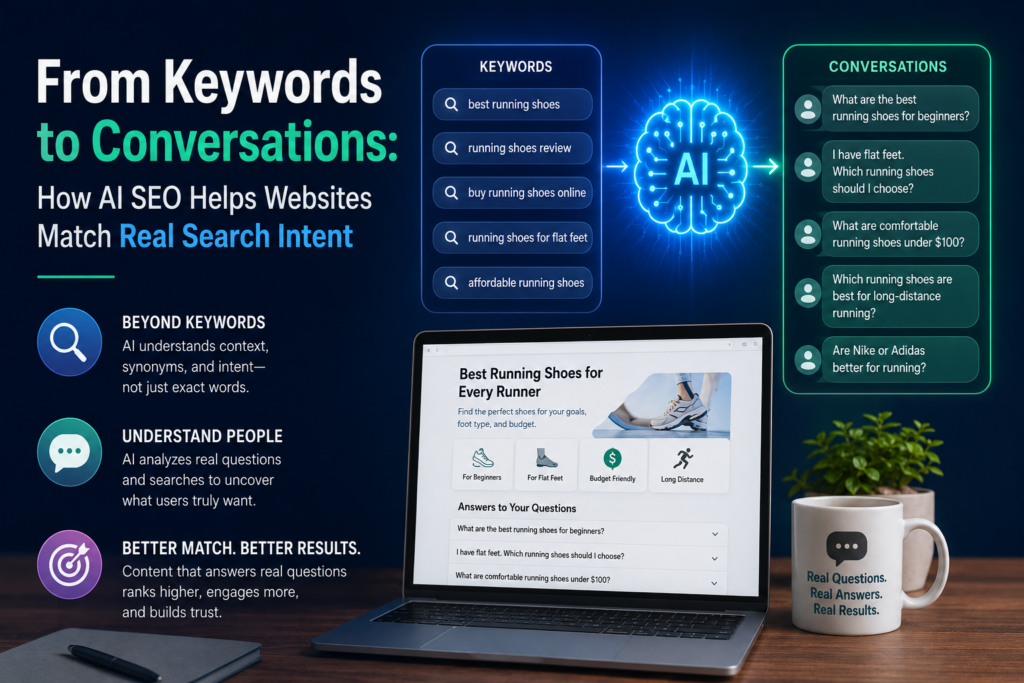
From Keywords to Conversations: How AI SEO Helps Websites Match Real Search Intent
Imagine two dentists in the same city. Both want to rank for patients searching for teeth whitening. One stuffs the keyword into every paragraph. The other writes a page that actually answers the question most people are Googling before they ever book an appointment: “Is teeth whitening worth it?” One of them gets the patient. The other gets ignored by Google. The difference is not the keyword. It is the intent behind it. That gap is exactly what AI SEO is built to close.
Why Keywords Alone Stopped Working
Keyword-based SEO made sense in the early days of search. Google matched words on the page to words in the query. Today, Google tries to understand why someone is searching. A person typing “back pain” might want exercises, a diagnosis, a chiropractor near them, or an explanation of their MRI results. Those are four different intents, and a page that does not match the right one will not rank well no matter how many times the phrase appears. This shift from matching words to understanding meaning is called semantic search, and AI has made it dramatically more powerful in the last two years.
What Search Intent Actually Means
Search intent is the underlying goal behind a query. SEO professionals break it into four types. Informational: the person wants to learn something. Navigational: they are looking for a specific website. Commercial: they are comparing options before making a decision. Transactional: they are ready to act. Every page on your website serves one of these intents, or it should. A page trying to be informational and transactional at the same time usually fails at both. AI SEO tools analyze the top-ranking pages for any keyword and identify what intent Google has decided best matches that query.
How AI Identifies Real Search Intent at Scale
Understanding the intent behind one keyword takes a few minutes. Understanding the intent behind 300 keywords your website could realistically target used to take weeks of analyst time. AI compresses that to hours. Modern AI SEO tools crawl search engine results pages for your target keywords and detect patterns: what types of content rank, how long they are, what questions they address. That analysis tells you with remarkable precision what Google thinks a searcher wants when they type a specific phrase. AI-driven content briefs have become a staple of effective SEO in 2026 because of this capability.
From Keyword Pages to Conversation-Matching Content
A keyword-optimized page for “local SEO services” might lead with a generic pitch about why SEO matters. An intent-optimized page for the same query leads with specifics: who you have worked with, what results looked like, what the process involves, and what to expect in the first 90 days. Same keyword. Completely different content. The second one matches what the person actually needs, which means they stay longer, engage more, and convert at a higher rate. Google notices all of that.
The Role of Natural Language in Modern Rankings
AI has changed how Google reads pages. Google language models now process text much the way a human reader would, picking up on context, topic relationships, and the overall expertise of the content. A page can rank for a keyword it never explicitly uses if the surrounding content makes the topic unmistakably clear. A page that mentions a keyword twenty times but provides thin, vague information will struggle against a page that uses the term twice but actually knows what it is talking about. Writing for search intent in natural language with real depth is what AI SEO is pushing businesses toward.
Common Mistakes When Trying to Match Search Intent
Optimizing for the wrong intent. Targeting a commercial keyword with an informational article is one of the most common ranking killers. Writing one page to target five different intents. One clear intent per page, always. Ignoring the questions inside the keyword. The People Also Ask section on Google is a free window into what real people want to know. Matching intent in structure but not in depth. If top-ranking pages are 2,000-word guides, a 400-word overview will not rank. Updating keywords without updating intent. Search behavior shifts. Re-check before you re-optimize.
FAQ: AI SEO and Search Intent
How do I find out what intent Google assigns to my target keyword? Google the keyword and look at what is ranking on page one. AI tools like Semrush, Clearscope, or Surfer SEO automate this analysis and go deeper. Can AI SEO tools write content that matches intent automatically? They can generate drafts informed by intent analysis, but a human should always review for accuracy and genuine expertise. Does search intent matter for local businesses? It matters enormously. Getting intent wrong on a high-value local keyword is expensive.
The Bottom Line
SEO stopped being about keywords the moment Google got good at reading. In 2026, ranking well means understanding the real question behind the search and answering it better than anyone else. Start by picking your five most important pages and Googling the keyword each one targets. Look at what is ranking. Ask honestly whether your page matches what those results are delivering. If it does not, that is your first optimization project, and AI can help you figure out exactly how to fix it.
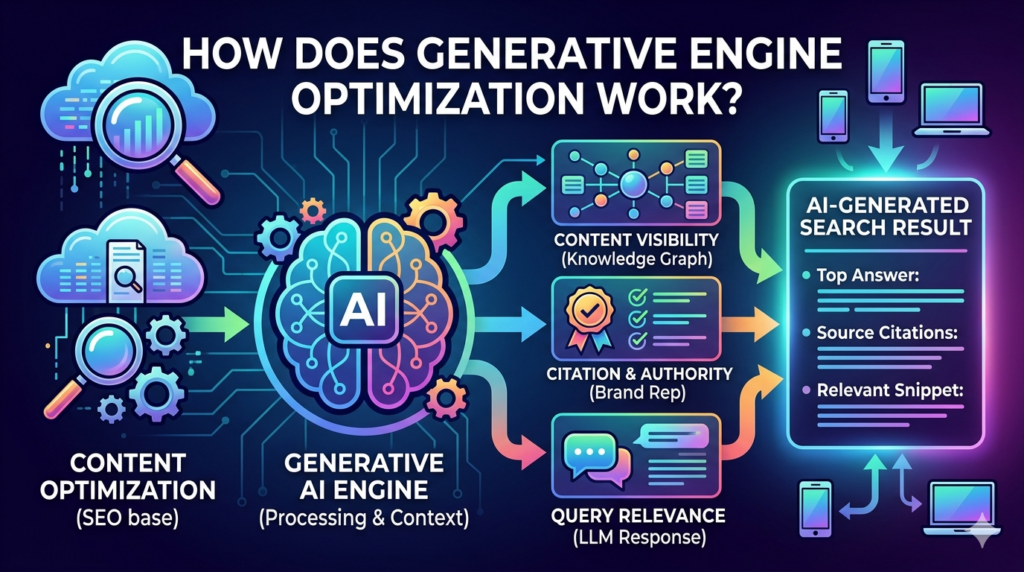
Author: ABC Editorial Team | GEO & AI Visibility Specialists | ABC (abcleadgen.com) Last updated: June 2026 | Next review: Monthly AI Question Map Keyword / topic: how does generative engine optimization work AI-style user question: “What is the underlying mechanism that makes a piece of content get cited by ChatGPT or Perplexity — what […]
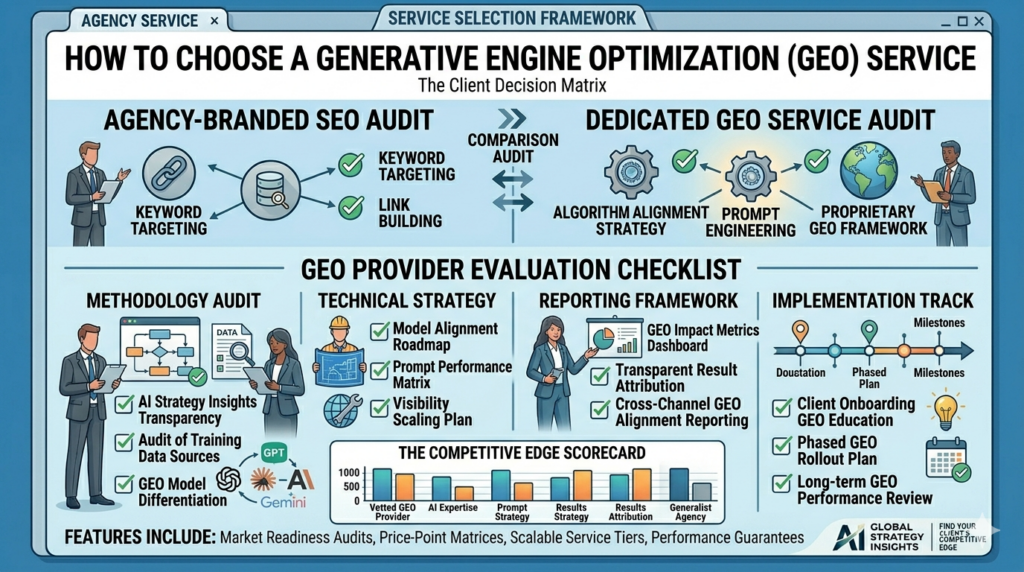
Entity Inventory Table Entity Definition Type Authoritative Source Generative Engine Optimization (GEO) The practice of structuring content so AI language models can discover, extract, and cite it in their responses Concept schema.org/CreativeWork Large Language Models (LLMs) AI systems trained on vast text corpora that generate human-like text responses to user queries Concept OpenAI, Anthropic, Google […]
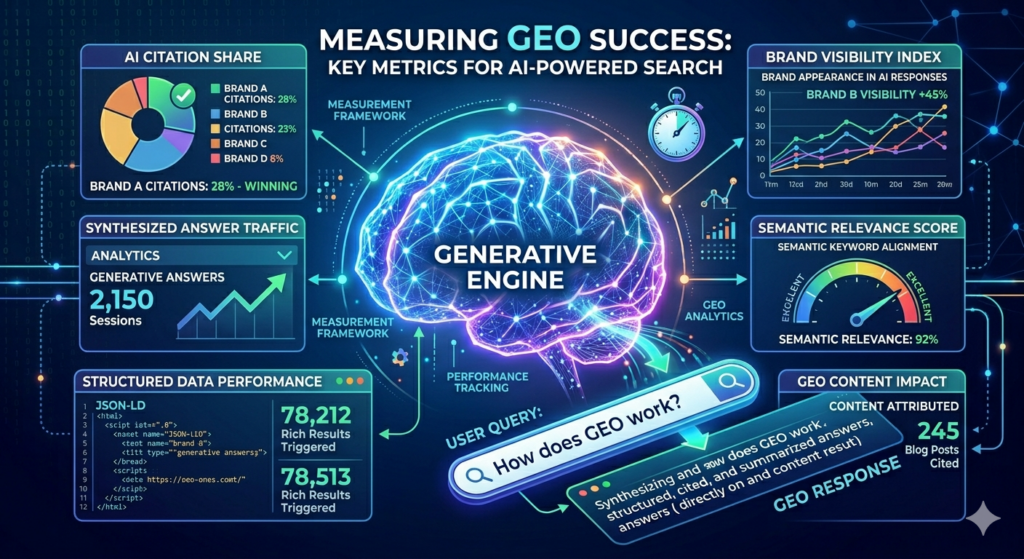
Author: ABC Editorial Team | GEO & AI Visibility Specialists | ABC (abcleadgen.com) Last updated: June 2026 | Next review: Monthly AI Question Map Keyword / topic: how to measure the success of generative engine optimization campaigns AI-style user question: “How do I know if my GEO content program is actually working — what specific […]
