
Building trust with secure transactions: best practices
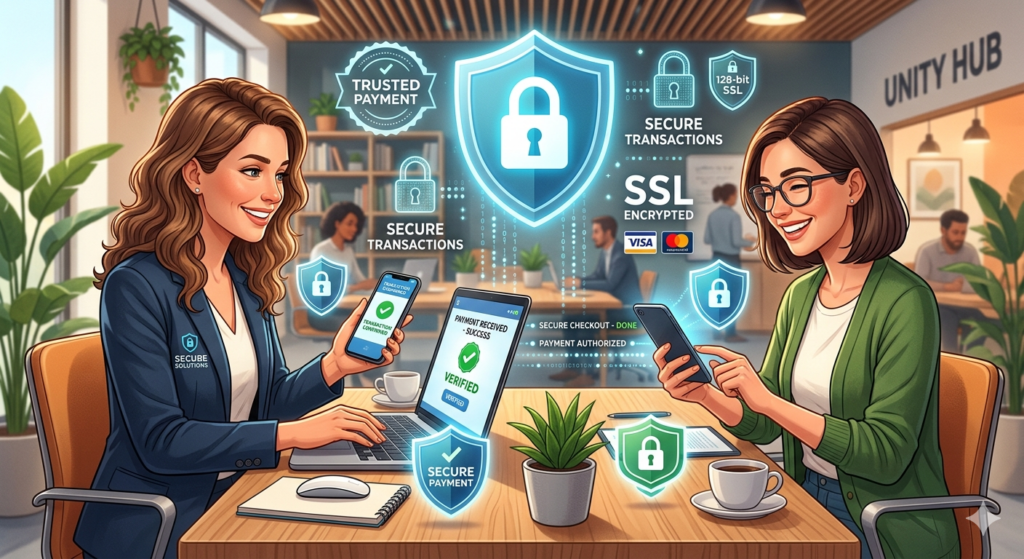
In today’s digital world, trust matters more than ever. Customers want to know their personal and payment information is safe when they shop online, pay bills, or share private details. A single security mistake can damage a company’s reputation and cause customers to leave for good.
Secure transactions are not only about technology. They are about creating confidence. When businesses protect customer information and communicate clearly, people feel safer doing business with them.
Here are some of the best practices companies can use to build trust through secure transactions.
Why Secure Transactions Matter
Every day, millions of people use websites and apps to buy products, send money, and manage accounts. During these transactions, customers often share sensitive information like:
- Credit card numbers
- Bank account details
- Home addresses
- Phone numbers
- Passwords
If this information falls into the wrong hands, it can lead to fraud, identity theft, and financial loss.
Customers notice when a business takes security seriously. Secure websites, clear privacy policies, and safe payment systems help create peace of mind. On the other hand, poor security can quickly scare customers away.
Use SSL Certificates and HTTPS
One of the first things businesses should do is secure their website with HTTPS. This encryption protects information shared between the customer and the website.
Customers often look for:
- A padlock symbol in the browser
- “https://” at the beginning of a web address
Without HTTPS, information can be intercepted by hackers. Search engines also favor secure websites, which can help improve online visibility.
Even small businesses should never ignore this step. It is one of the easiest ways to show customers that security matters.
Choose Trusted Payment Processors
Customers feel more comfortable when they recognize secure payment systems. Using trusted payment providers adds another layer of confidence.
Reliable payment processors often include:
- Fraud protection tools
- Encryption technology
- Secure checkout systems
- Chargeback support
Businesses should avoid storing customer payment information unless absolutely necessary. Letting professional payment providers handle sensitive financial data lowers risk.
The checkout process should also feel simple and professional. A confusing payment page can make customers nervous.
Enable Multi-Factor Authentication
Passwords alone are no longer enough. Multi-factor authentication, often called MFA, adds an extra security step.
For example, after entering a password, users may also need to:
- Enter a code sent to their phone
- Approve a login through an app
- Use fingerprint or face recognition
This extra layer helps stop unauthorized access even if a password gets stolen.
Customers appreciate businesses that offer stronger account protection options.
Keep Software Updated
Hackers often target outdated software because it may contain known security weaknesses.
Businesses should regularly update:
- Websites
- Plugins
- Apps
- Payment systems
- Security software
Ignoring updates can leave doors open for cybercriminals. Regular maintenance helps prevent attacks before they happen.
Automated updates can make this process easier and reduce human error.
Train Employees on Security
Many security problems happen because of simple mistakes. Employees may click phishing emails, use weak passwords, or accidentally expose sensitive information.
Training staff on cybersecurity basics is extremely important.
Topics should include:
- Recognizing phishing scams
- Creating strong passwords
- Handling customer data safely
- Reporting suspicious activity
- Using secure networks
A well-trained team becomes a strong first line of defense.
Be Transparent With Customers
Trust grows when businesses communicate honestly.
Customers want to know:
- How their data is collected
- Why information is needed
- How it is stored
- What happens if there is a security issue
Privacy policies should be written in simple language instead of confusing legal terms.
If a security incident happens, companies should communicate quickly and clearly. Trying to hide problems usually damages trust even more.
Monitor Transactions for Fraud
Modern fraud detection tools can spot suspicious behavior in real time.
Businesses can monitor for:
- Unusual purchase patterns
- Multiple failed login attempts
- Large unexpected transactions
- Logins from unfamiliar locations
Quick detection can stop fraud before major damage occurs.
Many payment systems now use artificial intelligence to identify risky activity faster than ever before.
Protect Customer Data
Not every employee needs access to sensitive customer information. Businesses should limit access only to people who truly need it.
Other important data protection steps include:
- Encrypting stored information
- Backing up data regularly
- Using secure cloud services
- Deleting unnecessary customer data
The less information a company stores, the lower the risk during a breach.
Create a Smooth and Safe User Experience
Security should not make customers frustrated. The best systems balance protection with convenience.
For example:
- Fast secure checkout pages
- Easy password recovery
- Clear security notifications
- Mobile-friendly authentication
Customers are more likely to trust companies that make secure transactions feel easy and professional.
Display Trust Signals
People often look for signs that a business is legitimate before making a purchase.
Helpful trust signals include:
- Security badges
- Customer reviews
- Clear contact information
- Return policies
- Professional website design
These details may seem small, but they help customers feel safer.
A clean and organized website can improve trust almost instantly.
Regularly Test Security Systems
Cyber threats constantly change. Businesses should regularly test their systems to find weaknesses before hackers do.
This can include:
- Security audits
- Vulnerability scans
- Penetration testing
- Backup recovery tests
Finding problems early can save a company from major financial and reputation damage later.
The Long-Term Value of Trust
Building trust takes time, but losing it can happen in minutes.
Customers are more likely to:
- Return to secure businesses
- Recommend trusted companies
- Spend more money over time
- Leave positive reviews
Security is no longer just an IT issue. It is part of customer service and brand reputation.
Companies that invest in secure transactions are investing in long-term customer relationships.
Final Thoughts
Secure transactions are one of the foundations of modern business. Customers want to feel confident that their information is protected every time they interact with a company online.
By using encryption, trusted payment systems, employee training, fraud monitoring, and transparent communication, businesses can create safer experiences that build lasting trust.
In a world where cyber threats continue to grow, businesses that prioritize security will stand out from the competition. Trust is earned through consistent protection, clear communication, and a commitment to keeping customers safe.

3 Comments
Comments are closed.


Aute mi ut suspendisse velit leo, vel risus ac. Amet dui dignissim fermentum malesuada auctor volutpat, vestibulum ipsum nulla.
Sed reprehenderit quam, non felis, erat cum a, gravida lorem a. Ultricies in pellentesque ipsum arcu ipsum ridiculus velit magna, ut a elit est. Ultricies metus arcu sed massa. Massa suspendisse lorem turpis ac.
Massa suspendisse lorem turpis ac. Pellentesque volutpat faucibus pellentesque velit in, leo odio molestie, magnis vitae condimentum.